Dealing with Stop-and-Go Traffic

If you commute back and forth to Greensboro or RTP, you know the frustration comes with driving in stop-and-go traffic. While we wait for all the construction is finished, and until people stop having accidents, occasional gridlock is here to stay. Here’s a driving guide.

Stay calm and patient. We know, we know. That’s almost impossible for most of us. But try a funny podcast, or a suspenseful audio book. Meditate or listen to soothing music. Getting frustrated or agitated doesn’t help, and it can lead to impulsive decisions and increased stress levels.

Keep a safe following distance. This one is easier to do. Maintain a safe distance from the vehicle in front of you, allowing enough space to react and stop if needed. A general rule of thumb is to maintain at least a three-second gap between your vehicle and the one ahead.

Anticipate traffic flow. Pay attention to the traffic ahead and try to anticipate its flow. Look for brake lights or signs of slowing down to adjust your speed accordingly, rather than relying solely on the vehicle directly in front of you.

Smooth and gradual acceleration. When traffic starts moving again, accelerate smoothly and gradually to avoid sudden stops. This helps to reduce the likelihood of rear-end collisions and improves the flow of traffic. Try the old trick of imagining someone sitting beside you sipping hot coffee, and make a game of not making any moves that would spill it.

Brake early and gently. When you need to slow down or stop, brake early and gently to give the driver behind you ample time to react. Again, imagine that coffee. Avoid sudden and harsh braking unless it’s necessary to avoid a collision.

Use your mirrors and check blind spots. Stay aware of your surroundings by frequently checking your mirrors and scanning your blind spots. This allows you to anticipate lane changes, merging vehicles, or potential hazards.

Use your indicators. Signal your intentions by using your turn signals when changing lanes or making turns. This helps other drivers anticipate your movements and promotes safer lane changes. And – no hand signals, if you know what we mean.😉

Stay updated with traffic information. Use real-time traffic apps like Google or Waze This information can help you plan alternative routes or adjust your expectations accordingly.

Keep your engine tuned up. You knew that we were going to mention this one, but if anything is worse than stop-and-go traffic, it’s having your car overheat and stop in stop-and-go traffic. Maintain proper fluid levels and read How to Help Your Vehicle in the Heat.

Remember, traffic conditions can change rapidly, so it’s important to adapt and stay alert while driving in stop-and-go traffic. Stop in to Norris Automotive and let us make sure that your vehicle will go smoothly – no matter what.

Dealing with Stop-and-Go Traffic Read More »

How to Help Your Vehicle Weather the Heat

In case you haven’t noticed, it’s hot. Hot weather can be tough on people, but it’s really tough on your vehicle. Since you count on your car or truck to keep you cool during the dog days of summer, we’d like to help you with some tips to help keep your vehicle running smoothly and prevent potential issues.

Check and maintain your coolant system: Ensure that your vehicle’s coolant levels are correct, and that the coolant mixture is appropriate for hot weather. Inspect hoses and belts for any signs of wear or leakage.

Monitor tire pressure: Hot weather can cause tire pressure to increase, so regularly check your tire pressure and ensure it is at the recommended level. Properly inflated tires improve fuel efficiency and handling.

Keep an eye on the battery: Heat can be hard on car batteries and may reduce their lifespan. Check the battery regularly for any signs of corrosion or leaks, and if your battery is old or weak, consider replacing it before it fails – and before cold weather sets in.

Maintain the air conditioning system: Make sure your vehicle’s air conditioning system is in good working condition. Check the refrigerant levels and have the system serviced if needed. Clean or replace the cabin air filter regularly for optimal airflow.

Regularly inspect and maintain your vehicle: Regular maintenance, including oil changes, air filter replacements, and overall inspections, is crucial in hot weather. It ensures that your vehicle operates efficiently and minimizes the risk of breakdowns.

Carry extra water and emergency supplies: In case of a breakdown or emergency, always carry extra water, a fully charged cell phone, and other emergency supplies like a flashlight, jumper cables, and a first aid kit.

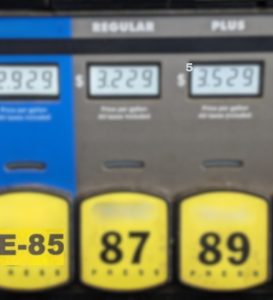
Be cautious with gas stations: Avoid overfilling your gas tank during hot weather. Fuel expands in high temperatures, and overfilling can lead to spills and potential fire hazards.

Protect your engine from overheating: Avoid driving in heavy traffic whenever possible, as stop-and-go traffic can cause engines to overheat. If you’re stuck in traffic, put your car in neutral. If you see your engine getting warmer, turn off the air conditioning, turn on the fans, and maybe even the heater to cool down your vehicle.

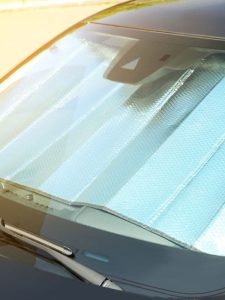
Park in shaded areas or use sunshades: Parking in the shade or using sunshades can help reduce the temperature inside your vehicle and prevent damage to the interior components. It also helps to crack open the windows slightly to allow hot air to escape.

Customers like you know that tips 1 – 5 above are things that we can do for you. Bring your vehicle in to us and let us give it a hot weather checkup. Whatever the weather, at Norris, we’re here to help you keep your vehicle safe and comfortable for you and your family.

How to Help Your Vehicle Weather the Heat Read More »

Summer Two Do’s – for You and Your Vehicle!

summer car maintenance list

It’s officially summer! We’ve got a summer checklist for you, and surprisingly enough, the hints are for you and your vehicle – two to do’s at the same time! Here are some summer tips for you to help you keep yourself – and your vehicle – summer ready:

Drink Lots of Water. Just like your body needs to have fluids, so does your vehicle. Hot weather can cause fluids to evaporate more quickly, so regularly check and top up your engine oil, coolant, brake fluid, power steering fluid, and windshield washer fluid.

Check Your Flip Flops! Flip flops can blow out, and tires can, too. Hot pavement and long drives can cause increased wear on tires. Check the tread depth, tire pressure, and overall condition of your tires regularly. Make sure they are properly inflated and aligned to improve fuel efficiency and prevent blowouts.

Keep Cool. You need to wear a hat for a reason. Overheating is a common problem in the summer for people and cars. Inspect the cooling system, including the radiator, hoses, and coolant levels, to ensure they are in good condition. Consider flushing and refilling the coolant if necessary.

Check Battery Health. A dead battery on your phone or in your car can put a dent in summer fun. Hot weather can put additional strain on your car’s battery. Have it tested to ensure it’s holding a proper charge and clean any corrosion on the terminals.

Turn up the A/C. Summer heat demands a functioning air conditioning system in your house and in your ride. Clean or replace the cabin air filter and ensure the AC system is blowing cold air consistently. If you notice any issues, have it inspected and serviced by a professional.

Put the Brakes On. We hope you know when you should put the brakes on during summer partying. For your cars, make sure you can stop by having brake pads, rotors, and brake fluid inspected. Replace worn-out pads or rotors, and bleed the brake lines if necessary.

Wear Sunscreen. UV rays can give you a sunburn, and can damage your car’s paint and cause the interior to fade or crack. Apply a coat of wax to protect the paint and use a sunshade or park in the shade to prevent interior damage.

Take an Emergency Kit. We know you always have Tylenol and Chapstick for emergencies. Your car needs an emergency kit, too! Gather items such as a flashlight, jumper cables, a tire pressure gauge, a first aid kit, and a basic tool kit. Also, carry extra water and coolant for emergencies.

Remember to call us if you have questions about any repairs or maintenance procedures for your vehicle. And hey – if you ask, we might just tell you our favorite summer fun activities. Whatever it takes to keep our customers having a great two do this summer!

Summer Two Do’s – for You and Your Vehicle! Read More »

Drop Off Service Available!

Working an appointment with us into your busy schedule can be a challenge, but it doesn’t have to be, thanks to our drop off service! This flexibility caters to individuals with busy work schedules or limited availability during regular business hours. Whether you need a simple inspection or a major repair, you can drop your vehicle off anytime before your appointment, and we’ll take it from there.

Here’s how to do it.

Step 1: Make an appointment. Call us up, and we’ll give you a day to bring in your vehicle. Just tell us you want to drop it off.

Step 2: Bring your vehicle. Park in the front parking lot.

Step 3: Fill out your vehicle details on the envelopes next to the front office door. We’ll ask for basic information, including how to contact you and your license plate number. Pro tip: Bring a pen!🙂

Step 4: Put your keys in the envelope and drop it off in the slot on the garage door.

We prioritize clear communication with their customers. We make it a point to reach out to you with any questions, clarifications, or updates regarding your vehicle.

If you’ve brought your vehicle to us before, you know that we also touch bases with you after a repair, making sure that things are running smoothly.

Drop off service at Norris is a time-saving option designed with you in mind, one of the ways we prioritize you, our customer!

Drop Off Service Available! Read More »

Solving the Mystery of Parasitic Battery Drains

You’ve probably never heard of parasitic battery drains, but if you’ve ever left your lights on and had your battery die, you’ve been the victim of one.

The Death of a Battery. A parasitic battery drain is when an electrical issue steals power from the battery while the car is off, not unlike a tick pulls blood from its host. If the drain continues, the battery will loses its charge over time. Sometimes the cause of the dead battery is obvious – like when you left your lights on. But sometimes, finding out ‘whatdunnit’ takes a bit of investigating.

The Suspects. Certain components are common sources of parasitic drains, such as interior lights, trunk lights, faulty switches, or power accessories. Older vehicles and those with certain aftermarket modifications are most susceptible. Faulty electrical components, including keyless entry systems, are also common culprits.

Calling the PI’s at Norris. If your battery keeps dying, and you are sure you don’t need a new battery, let us investigate. We have the expertise and specialized equipment to solve complex electrical “crimes”. We’ll check for short circuits, look for signs of corrosion or loose connections at the battery terminals, test fuses and relays, and find the guilty party.

We’ll make sure that the mystery is solved, and the parasite is stopped!

Solving the Mystery of Parasitic Battery Drains Read More »

Technology – This is Not Your Pawpaw’s Oldsmobile

Depending on your age, you’ve probably seen a lot of changes in vehicles since you’ve learned to drive. Technology has changed from the time your Pawpaw drove that column shifting Oldsmobile. Here are some of the biggest developments.

Did it Crank? One favorite advancement in car technology is remote start, which means a cool or warm car no matter the weather. Keyless entry and anti theft tracking systems are other practical features that your Pawpaw didn’t have to help him crank his car.

What’s That Noise? Remember when your Pawpaw could pop the hood and diagnose engine issues by the sound it made? That still works for some things, but for a lot of problems, you need a computer. One of the significant changes in car repair technology is the introduction of advanced diagnostic tools that help car owners and mechanics identify and troubleshoot problems faster and more accurately. Today’s diagnostic tools can quickly identify issues with a vehicle’s engine, transmission, brakes, and other systems. These days, Pawpaw is just as likely to own an OBD scanner as not. (And if he doesn’t, it would make a great Father’s Day gift!)

Ain’t That Amazing? Mawmaw will remember when a car’s entertainment system was a radio with five buttons and the alphabet game. The GPS system was a map folded up in the glove compartment. Modern vehicles are equipped with amazingly advanced versions of these – Bluetooth, Wi-Fi, satellite radio, GPS, and even back seat video.

You Buckled Up? Gone are the days when car safety meant a simple lap seat belt (or your mama’s hand flying out) and a rear view mirror. Now there are active seat belt systems, integrated car seats, and airbags. Many vehicles have backup cameras, lane departure warnings, blind-spot monitoring, and collision detection. And if you’re in an accident, some vehicles are even equipped to call 911.

Is that Fixin’ to Break? Many vehicles now come with self-diagnostic capabilities that can monitor various components and systems of your car or truck. They can detect early signs of potential failures and notify you to do proactive maintenance. There’s no need to try to find that auto maintenance notebook stuffed under the seat.

Car technology has undoubtedly come a long way in the past few decades. As technology continues to evolve, the we at Norris Automotive will also continue to change with the times, giving more efficient, reliable, and affordable services to all your vehicles, including your Pawpaw’s Oldsmobile.

Technology – This is Not Your Pawpaw’s Oldsmobile Read More »

DIY or DON’T? How do you know?

oil change

At Norris, we encourage vehicle owners to learn about their vehicles, and that includes doing some of the maintenance and repairs at home. We actually have “how to” posts on our website (see how to check the oil), and articles about how your engine works.

Deciding whether to attempt a DIY car repair or leave it to a professional mechanic can depend on a few factors, however. Here are some considerations to keep in mind:

  1. Are You Experienced? If you already have some experience working on cars, you may feel comfortable attempting certain repairs on your own. We suggest starting off with things like oil changes and tire rotations, then work toward more advanced things. If you are not confident in your abilities, it may be best to leave it to our mechanics at Norris.
  2. Is it Complex? Some repairs are relatively simple and straightforward, such as changing a tire or replacing a headlight bulb. Others, such as engine or transmission repairs, are much more complex and require specialized knowledge and tools.
  3. Do You Have the Tools? Before attempting a repair, make sure you have the necessary tools and resources to complete the job. Many jobs require specialized tools, some specific to your vehicle. Others will require access to a lift or other equipment.
  4. Is it Safe? Some repairs can be dangerous if not done properly, such as those involving electrical systems, airbags, or fuel lines. If you are not confident in your ability to perform a repair safely, it is best to – you know – call us.
  5. What About the Warranty? If your car is still under warranty, attempting a DIY repair could void the warranty. Check your warranty documentation before attempting any repairs yourself.

Ultimately, the decision of whether to attempt a DIY car repair or seek professional help will depend on your individual circumstances and comfort level. When in doubt, it’s usually best to err on the side of caution and call the mechanics at Norris Automotive.

DIY or DON’T? How do you know? Read More »

Car Problems to Go

oil change

If you have a vehicle, sooner or later you’re going to have car problems. No matter if you have a manual transmission beater or a luxury sedan, things happen. Here are the most common problems you’ll find in a vehicle like yours.

Battery Won’t Go: Batteries can fail for various reasons, including age, extreme temperatures, and parasitic electrical draws. Sometimes it’s an easy fix, like a loose cable or a dirty terminal. After a while, batteries do wear out, and you may need to replace the battery.

Brakes Won’t Stop: Brakes are critical for the safe operation of a vehicle. Brake pads can wear out over time, and brake rotors may warp or become damaged, leading to squeaking, grinding, or pulsation in the brake pedal. Brakes aren’t something to leave to chance. Brakes should always be inspected every five months or 5000 miles, but if you hear a grinding noise, feel shaking or give in the brake pedal, or the brake light comes on, you need to get your brakes checked immediately. We may replace brake pads and rotors or adjust the brake system.

Engine Stops: The engine is the heart of a car, and problems with it can be complicated to diagnose. Common issues include oil leaks, overheating, and misfiring cylinders, among others. We will pinpoint the issue and perform repairs as necessary.

Transmission Goes: The transmission transfers power from the engine to the wheels, and problems can result in the car not shifting gears smoothly or not moving at all. Common transmission issues include slipping gears, grinding noises, and leaking fluid. We work on lots of transmissions, and can help you determine the best fix for your car or truck.

Electrical Goings On: The modern car relies heavily on electrical components for proper operation. Issues with the electrical system can cause a variety of problems, such as a dead battery, flickering headlights, or malfunctioning dashboard warning lights. We have diagnostic tools to identify the issue and we’ll replace or repair the faulty electrical component.

If there is ever any good news about car problems, it’s that you can always bring them to us. At Norris Automotive, we’re your go to mechanic for anything that comes your way! Bring your vehicle to us, and watch your car problems go away!

Car Problems to Go Read More »

Check Engine Light On? Your Inspection is Off.

check engine light

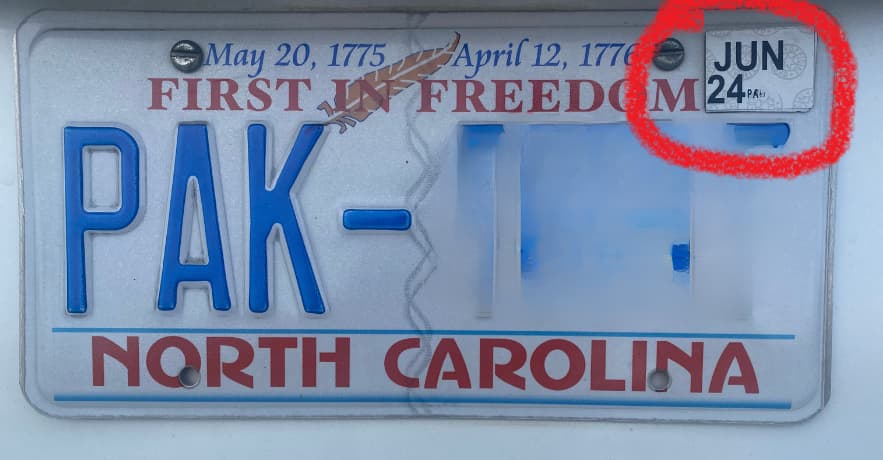
North Carolina has a program called “Tag & Tax Together” that sends a bill for vehicle registration fees and vehicle property taxes at the same time. They send you a paper in the mail, and you can mail it in with a check, go to a Go to a license plate agency near you, or pay online with a credit card*. It’s a convenient way to pay your fees, but it can’t be done until you’ve had your annual vehicle inspection.

Because it’s only human to procrastinate, many people wait until the last week of the month to get the inspection done, meaning there may be a small wait before we can get to your vehicle.

The biggest issue that people run into, however, is the fact that we can’t pass your vehicle if your check engine light is on.

The Exception to the Rule. If your vehicle is more than twenty years old, it it exempt from the emissions inspection. That means that your check engine light can stay on. Your car or truck will still have to pass a safety inspection.

Taxes, Fees, and Registrations. You make two different payments to get your sticker for your tags, and each pays for more than one thing.

  • “Tag & Tax” program is one payment made to the NCDMV. It includes:
    ·Registration fee, which varies according to your type of vehicle and your county. In Alamance County, your plate fee is $38.75.
    ·Property tax, which varies according to how much your vehicle is worth.
  • Your Inspection Fee is one payment made to a NC Inspection Station like Norris or Elite. It includes:
    ·Emissions fee, which is $30. (As mentioned above, vehicles over 20 years old are not required to get an emissions test.)
    ·Safety Inspection, which is $13.60.

    Don’t Wait Too Late. If you know your vehicle’s light is on, come on in early for your inspection. You can get an inspection and renew your registration up to 90 days before the registration is due. We can tell you why your check engine light is on, and can repair it for you, too. A retest is free if you return to the original inspection station within 60 days.

At Norris, we’re here for all your vehicle needs, from safety inspections and emissions testing to oil changes to transmission overhauls. And we’re here to fix that check engine light, so that you can pass your inspection!

*A $3 processing fee applies for credit card payments to the NCDOT.

Check Engine Light On? Your Inspection is Off. Read More »

Truth and Consequences – Oil Changes

oil filter adapter

Regular oil changes are one of the most important maintenance tasks you can perform for your vehicle. Oil is the lifeblood of your engine, and neglecting to change it on a regular basis can cause serious damage to your vehicle’s engine over time.

The Basic Truth. Engine oil is what keeps your vehicle’s engine moving. It lubricates the engine’s parts, reduces friction, and helps prevent wear and tear on the engine. It also helps to keep the engine clean by preventing dirt, debris, and other contaminants from building up inside the engine. Engine oil also helps to regulate engine temperature by absorbing and dissipating heat.

The Sad Truth. Over time, engine oil breaks down and loses its ability to lubricate the engine’s moving parts effectively. This can lead to increased friction, which can cause damage to the engine. Regular oil changes help to ensure that your engine is properly lubricated and running smoothly.

The Dirty Truth. Additionally, as oil ages, it becomes contaminated with dirt, debris, and other contaminants that can build up inside the engine. This can cause the oil to thicken and become less effective at lubricating the engine. Changing your oil removes these contaminants so your engine can run more smoothly.

And the Consequences. If you don’t change your oil on a regular basis, the oil in your engine will eventually break down and become less effective at lubricating the engine. This can lead to increased friction and wear and tear on the engine, which can cause serious damage over time. The engine can overheat, causing significant damage to the engine’s internal components. This can even lead to engine failure, which can be costly to repair or replace.

The Convenient Truth. The most convenient truth of all is that you can bring your car or truck to Norris Automotive, and we’ll take care of everything for you! We’ll change your oil and tell you how soon you need to come back for the next change. And the consequence – you’ll get top notch, fast, and friendly service every single time. And that’s the honest truth!

Truth and Consequences – Oil Changes Read More »

Scroll to Top