Your Car’s Battery – A Start Up Guide

Most of us take our vehicles for granted. We turn the key or push a button, the engine starts, and then the car goes. Your car is a big investment, however, and it really does help to know a bit about the inner workings, starting with the battery, which turns chemical energy into electricity that gives power to various parts of your vehicle.

Battery Parts. The outside of a car battery is a plastic box with a red positive and a blue negative terminal. Inside are six cells, each holding sets of positive and negative metal plates called electrodes. The positive plates are covered in lead oxide and bring electrons in. The negative plates are covered in lead, and they release electrons. The plates rest in a chemical solution of 65% water, and 35% sulfuric acid.

Battery Works. To produce a charge, the negative plates in the battery react with the positive plates, and the electrolytes conduct electricity from one cell to another, until there are over 12 Volts of power ready to work.

Your car battery provides electricity to make lights high, seats to move, radios to sing, and air conditioners to cool. Its most important function, however, is to start the car! After the engine is started, the fuel system takes over and keeps it going.

Battery Recharge. The cool thing about the car battery is that once your car starts, it is recharged by the alternator, which sends electrons through the negative terminal, reverses the chemical reactions, and recharges the battery.

Dead Battery. There are several reasons that your car battery may die, but even with the best of care, your battery will eventually wear out. The rule of thumb is to get a new one every three years. Your mileage may vary.

At Norris Automotive, we understand batteries, and we can spot issues, tell you what to do to fix them, and how to avoid problems in the future. We can also tell you when your battery needs to be replaced.

If you’ve started to think your battery needs attention, stop by Norris Automotive. We’ll make sure that your battery is in tip top condition, ready to start your vehicle, and take you and your family wherever you want to go!

Your Car’s Battery – A Start Up Guide Read More »

Play Another One for the Road Trip

It’s a fun fact that most of us do our best (meaning loudest) singing in the shower and in the car. Roadtripping is a great time to show off our vocal skills, or lack thereof. We were curious about the most popular tunes that people belt out on the highway, and found out that the good folks over at FinanceBuzz did a data analysis on 100 road trip playlists. Here are the top ten songs that they found.

Sweet Home Alabama
Don’t Stop Believin’
Mr. Brightside
Wonderwall
Riptide
Highway to Hell
Bohemian Rhapsody
Wake Me Up
More than a Feeling
Hotel California
All Right Now

Now everyone has their favorites, and this list is great, but we think it needs a little bit of country flair, so we’re adding two more:

Wagon Wheel by Darius Rucker
Life is a Highway by Rascal Flatts

We’d also remind you that the most important tune on your playlist should be a tuneUP for your car. Bring it by Norris Automotive to make sure that your vehicle is humming along as it should, the perfect accompaniment to your next concert in the car!

Play Another One for the Road Trip Read More »

Road Trip Hacks That WE Use

Lots of us are headed out on one more road trip before summer is over. After you make your car road trip ready, here are some ways to help you on your drive, whether it be to Disney or DC or Detroit or Danville.

  1. Zip lock bags. Whether you’re organizing your clothes by day, containing crayons, storing those shorts that your kid messed up, or saving that last half of a cookie, don’t leave home without an assortment of sizes of zip lock bags. The more you take, the more ways that you will find to use them. (Some things are in this list…)
  2. Sharpies. If you’ve saved one cookie for Jack and the other for Jill, you can label that zip lock bag with a Sharpie. Sharpies are also good for putting telephone numbers on umbrellas or labeling water bottles or cups. Put a number on each piece of your luggage so you’ll make sure you have it all in your car after a stay at the hotel.
  3. Napkins and bags of flatware. You know you have a stash of these somewhere in your kitchen. Your road trip is a great time to use them! (Put them in one of the zip lock bags and label it with a Sharpie…)
  4. Water bottle ice packs. If you’re packing a soft side cooler of snacks (that’s a bonus hack), keep them cool with a bottle of frozen water. Most hotel rooms have a freezer area so you can freeze the water overnight. If they don’t, fill up a zip lock bag with ice, and double bag it in case of leakage.
  5. A surprise every hour. If you have kids, gather a stash of surprises. Ideas include: an audio book, a regular book, Playdough (it’s not messy anymore), stickers, a travel game, a snack, a photo album, Dollar Tree toys, a conversation starter, a finger puppet…Set the timer on your phone, and every hour, pull out something new.
  6. Plastic cereal container trash can. Rubbermaid and Tupperware make 1.5 gallon cereal keepers that make perfect trash cans. Fill up the bottom with plastic grocery bags, and then use one at a time for your trash.
  7. Gas Buddy App. This app will save you time and money on gas, by showing you the nearest and the least dearest place to buy gasoline.
  8. Multi port charger. These handy things fit into your 12V charger and lets you charge all your devices at once.
  9. First aid kit. Fill it up with bandaids, pain killers, pepto, anti itch cream, Benadryl, sanitary napkin (you can use them to apply pressure to bleeding wounds) and Vitamin C. Your family may need more things in your kit.
  10. Plastic baskets. Use these to organize and contain each person’s drive-thru meal.
  11. Cleaning supplies. Take wipes and paper towels. An old toothbrush and a lint brush are great to brush off the seats and the console. Envelopes of cleaning gel will get rid of crumbs and dust. (If you’ve not used this, you’re missing out! It looks like snot, but it cleans like a charm.)
  12. Tissues. We use the disposable packs on noses, bathrooms without toilet paper, and the occasional flood of tears.

Road trips are designed to be fun, but there is always stress involved. Hopefully these hacks will help you stay organized, clean, and entertained, so you can cut down on the stress, and ramp up the fun for your next adventure.

Road Trip Hacks That WE Use Read More »

Exceeding Your Expectations For You & Your Car

Whether you’re driving down the road and hear that unwelcome sound of screech, bang, clunk or your oil change light simply blinks red, at Norris Automotive we’re here to help you with whatever problems arise. We aim to make your experience easy, efficient, and have your car back up and running in no time.

Rev Your Engine. At the first sound of trouble, or if you need maintenance, simply just give us a call. Our friendly staff will work with your schedule and create an appointment based on your unique situation. Once your appointment is set, you’ll receive a text confirmation with all of the information we’ve discussed with you including the time of your appointment. Dropping your car off? Not a problem. We have a convenient lock box for your keys if you’ll be leaving your vehicle after hours. Just let our technicians know what works best for you and we’re happy to work around your schedule. In addition to a confirmation appointment text, expect a call or text the day before your appointment as well, letting you know that we’ve reserved a spot especially for you.

Should I Stay or Should I Go? The choice is yours! If you’re having routine maintenance performed – tire rotation, oil change, etc.- you’re welcome to kick back in our waiting area, watch TV, grab a soda, and simply wait until your name is called to drive off into the sunset.

If your vehicle requires diagnostic testing, you’ll likely want to schedule a time to drop it off while our technicians uncover the problem.  After performing tests and looking under the hood, they will contact you at the number provided, review your options and put in place a plan of action.

While we’re here to get you back up and running quickly, we want to make sure that no additional problems arise and that we’ve exceeded your expectations.  A day or two after your visit, you can expect a follow up text or email from our technicians ensuring that your vehicle is functioning properly and that you have no further questions.

At Norris Automotive we strive to provide excellent customer service while getting you automobile up and running quickly. Call us today for any of your automotive needs and we’ll make sure you leave happy and your car is running smoothly. 

Exceeding Your Expectations For You & Your Car Read More »

Questions About Car Inspections

Nobody likes to pay property taxes, but at least North Carolina makes it easy. The State has combined the process of registering a vehicle and paying annual property taxes.

Of course, before you can renew your vehicle’s registration, you must have it inspected at an inspection station like ours. At Norris Automotive, we get a lot of questions about North vehicle registration and inspections.

Here are some of the most common ones:

  1. If I buy a vehicle, do I have to get it inspected. No. The dealer will have it inspected before it is sold. If you are purchasing from an individual, you’ll need an inspection unless the car has had one in the past 12 months.
  2. My registration has expired, and my car isn’t inspected. How can I legally drive it to the inspection station? Contact the license plate agency and ask them to issue you a temporary plate.
  3. If I moved from a non-emissions county (like Orange) to an emissions county (like Alamance), do I have to have my car re-inspected? You don’t have to be reinspected until your registration expires.
  4. I’m moving to North Carolina from another state. Do I have to have my car inspected before I register it? You don’t.
  5. How old does a vehicle have to be before it no longer needs to have inspections? A vehicle over 20 years old is exempt from the emissions portion of the inspection. A vehicle over 35 years old is not required to have a safety inspection at all.
  6. My vehicle has failed the emission inspection two times. Can I get an exemption? There is a possibility of getting a one year waiver. Ask us about it.

At Norris Automotive, we are here to repair and service your car, but also to answer your questions. If we don’t know the answer, we’ll do our best to find out. Our goal is for you and your family to stay safe in your vehicle and on the road.

Questions About Car Inspections Read More »

Are You Ready For Your Road Trip?!

There’s a collective excitement across the United States. Travel is back! If you’ve got a road trip on your calendar, now’s the time to get your vehicle road trip ready – including making an appointment with us.

Spare Tire. Make sure that your spare tire works – and that the kit is complete. If you don’t know how to change a tire, it’s a good idea to learn how!

Car Emergency Kit. Flares, jumper cables or a battery charger, and a gallon of water are essential to take with you on your trip.

Enough Cords to power your devices. Since your Ipads, cell phones, ear buds, and your cooler all need to be charged, you may need to invest in a dual USB car adapter or even a separate power bank.

First Aid Kit. A basic first aid kit should include Benadryl, pain relievers, meds for motion sickness and nausea, anti itch cream, and items for wound care.

Bathroom Kit. We all know that public restrooms aren’t always equipped. Tissues, Anti-Bacterial wipes, and hand sanitizer will help you for that unsavory toilet in the back of nowhere.

Water and Snacks. You’ll save a lot of money if you stock up on snacks before you get to the gas station. A bottle of frozen water can be used as an icepack – and nowadays most hotels have a refrigerator in the room.

Flashlight. Whether you need it to peer under the hood of your car, or to find the key for that late night Air BnB entry, you need a flashlight.

Of course the biggest thing you need to take on a road trip is the peace of mind that comes from letting us check over your vehicle before you go. We’ll make sure the battery and lights and cables and fluids and tires and everything else are ready for your trip. That will let you have more time to figure out what snacks to take!

Are You Ready For Your Road Trip?! Read More »

What’s That Drip Under My Car?

Puddles of fluid under a car can be a sign that something ominous is happening in your engine. It can also be absolutely nothing to be worried about at all. How do you know when to panic, when to call Norris Automotive😉 , or when to casually walk on by?

Brake fluid. A medium thick, oily yellowish substance under your vehicle could be brake fluid. Your brakes depend on brake fluid to stop your car, and a leak is a huge safety hazard. If you think your brakes might be leaking fluid, you should not drive it at all. Have it towed to us for a repair.

Gasoline. The good thing about a gas leak is that you’re going to be able to identify it because of the smell. You may have a fuel pump issue, or you might have a hole in your gas tank. Both of these are easy repairs. Don’t worry, a gas leak isn’t going to cause an explosion right away, but you do need to get your vehicle to us as soon as you can.

Antifreeze. There is a very distinctive smell to antifreeze. You’ve smelled it walking past cars in parking lots and known that someone had a radiator issue. Leaks will usually show up at the front of the car, and will leave a greenish puddle that feels slimy and smells sweet. Antifreeze is extremely toxic to pets, and although there is an additive in antifreeze that designed to make it less attractive to dogs and cats, you shouldn’t take a chance. Clean up any antifreeze as soon as you notice it. Then check your radiator overflow tank. If it’s empty, you’ve found your leak.

Since antifreeze keeps your car cool, you don’t want to let it get low. Otherwise you may find yourself stranded on the side of the road with an overheated – and possibly ruined – engine.

Oil. It’s very common to see oil under a car. It’s thick, and usually is dark brown or even black, although if you’ve recently had an oil change, it could be amber in color. Oil leaks can come from many areas under your car, because it is what lubricates the engine. It’s crucial to keep too much from leaking out, but usually a few drips won’t bother anything. If you’ve been seeing more frequent leaks, let us know when you bring your car in for service.

Transmission Fluid. A puddle that is red and slick is probably transmission fluid. Often a leak is from something as simple as a leak in the pan or drain plug, but there could also be more serious issues. While a slow leak isn’t going to cause immediate issues, you need to find and fix the source of the problem as soon as you kind.

Washer Fluid. Blue, orange, or green, windshield wiper fluid feels a bit like windex, which is no surprise considering its job. If you notice it’s leaking, check to see if there is a leak in the tubes or the reservoir that are near your wipers. Windshield wiper fluid is especially important during the nasty pollen season of Southern spring, but a leak isn’t a danger to your engine.

Water. If the weather is hot outside, there’s a good chance that the condensation from your air conditioner is creating that puddle of just plain old water. Don’t sweat it! You’re in the clear on this one.

Whether you’re in the clear or spot one of those ominous leaks, at Norris we’re here to help you with all of your drips and leaks and squeaks. Give us a call today and schedule your vehicle repair, maintenance, or inspection!

What’s That Drip Under My Car? Read More »

Spring Pollen and Your Car’s Air Filters

Spring brings a lot of good things – flowers, gardens, warmer weather, and outdoor living. For those of us who live in North Carolina, spring also brings a haze of yellow pollen.

Pollen doesn’t just build up on our vehicles’ exterior, it also can clog the air filters that are designed to keep clean air flowing into your engine – and into the interior of your car.

Pollen in Your Engine’s Lungs. Your engine’s air filter cleans the air, blocking dirt, debris, and pollen that comes into the engine. A filter that is dirty or clogged can make your engine work harder than it needs to. Your air filter needs to be changed regularly, but during pollen season it is especially important.

Pollen in Your Lungs. You may not realize that your vehicle also has an air filter for your cabin. It cleans the air as it goes through your car’s HVAC system, so it directly affects the quality of air that you breathe. If you’ve noticed a bad smell in your car, if you hear a whistling sound, or if your air flow is weak,replacing the air filter may do the trick. During spring, pollen can really build up, so it’s a good idea to make sure your filter is clean.

Replacing air filters is an easy, do it yourself job, but we can also do it for you. We’ll check your filters, and let you know if they need attention. Bring your vehicle to us, and you can breathe easier – in more ways than one.

Spring Pollen and Your Car’s Air Filters Read More »

Finding Sense in Your Oxygen Sensor

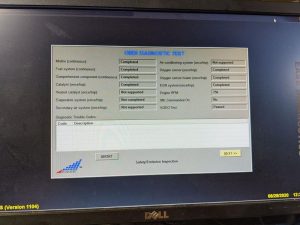
Oxygen sensors monitor how much oxygen is in your car’s exhaust. Most cars have at least two – one in front of the catalytic converter – to regulate fuel supply, and one after it – to measure its efficiency.

Two Sensors Worth. Oxygen sensors monitor how much oxygen is in your car’s exhaust. Most cars have at least two – one in front of the catalytic converter – to regulate fuel supply, and one after it – to measure its efficiency.

Using Your Smart Sensor. The O2 sensor compares the level of oxygen in the sensor to the outside air. If levels of oxygen are too high or low in the exhaust, your engine will automatically make adjustments. So yes, your oxygen sensor is smarter than a fifth grader.

That’s Not Good Sensor. The O2 sensors in most vehicles will last for about 100,000 miles, but they do eventually go bad. The extremely hot exhaust that runs through the sensors is full of chemicals. Contaminated fuel and damaged engines can further shorten the life of an O2 sensor.

Have you Lost Your Sensor? An OBD2 reader is the best way to find out if your oxygen sensor is going bad, but there are other hints along the way:

Check engine light.
Black smoke in the tailpipe.
Sluggish engine.
Reduced gas mileage.

New Sensors. Replacing an oxygen sensor is not hard, but you can do damage if it’s not done properly. The best way is to bring your vehicle in to us, and let us take care of it for you! Testing the O2 sensor is done during your annual car inspection, so we can let you know early if it’s time to replace it.

There is a lot of good sense involved in maintaining your car’s engine, and O2 sensors are just part of the equation. Bring your vehicle to us, and let us help you keep it in the best condition possible. If you think about it, it’s the most sensible thing to do.

Also – fun fact – One time we were in a car so high up on a mountain (about 8000 feet above sea level – straight up) that the oxygen sensor reading was not valid because there was not a lot of oxygen in the air. The car was really sluggish as a result. It was so strange.

Finding Sense in Your Oxygen Sensor Read More »

Breaking Down Anti-Lock Brakes

Almost all modern vehicles have an Anti-Lock Braking System, commonly known as an ABS. It’s a safety measure that has greatly helped reduce the number of crashes in cars since their use became widespread. But how do anti lock brakes help? 

Brakes on That Banana Bike. You can see a brake working on a bicycle. You press the brake pedal, brake pads press down and stop the wheels from rotating. As you reduce speed, friction between the tires and the road makes the bike slow down. The same principle applies on your car.

Boring Physics Lesson. Wheels have two kinds of velocity – rotational and translational (a fancy word for going forward). These two forces work together, and balance each other. When you turn the front wheels, your car turns, too. Imagine, though, that it does not. Suppose you make a hard left turn, but your car continues to go forward. In this case, your tires are turned to the left, so they won’t roll; they’ll just drag along at an angle.

The only force that safely stops a car is friction, and when your car slides – like in the scenario above – there’s not a lot of friction.

Slip Sliding Away. This out of control sliding is what can happen when you brake. If your tires stop rolling, the vehicle will lose traction and keep sliding even when you turn the wheel and steer.  

Stopping the Skid. Back in the day, new drivers were taught to pump the brakes when they were in a skid situation. Pumping the brakes stopped the braking just before the moment of the skid – over and over with each pump. This increased the friction for just long enough to keep traction on the road.

Anti-lock Brakes Break Out. Anti-lock Braking Systems work on this same principle, but it happens automatically. Sensors on the wheels monitor speed, and when it detects locking, it essentially pumps the brakes, releasing and then reapplying the brakes many times per second. The pumping makes the wheels almost stop – but not quite. 

Practice Skidding. Don’t be surprised at the way that your ABS feels and acts. Give it a spin (pun intended) under controlled circumstances. Go to an empty parking lot (church parking lots are great during weekdays) and build up a bit of speed. Then, slam on the brakes. Do NOT pump. You’ll notice an unusual sound and you’ll feel the brake pedal vibrating. 

The braking system is one of the most important parts of your car. You and your family’s safety depends on it. We have years of experience with all types of braking systems. If you have questions or concerns about your ABS, we’re here to help! 

Image by Gerald Oswald from Pixabay

Breaking Down Anti-Lock Brakes Read More »

Scroll to Top